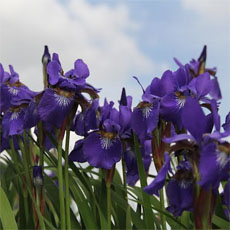
Tall Bearded Iris 'Cimarron Trail'

Iris

Family
Iridaceae (eye-rid-AY-see-ee)
Genus
Iris (EYE-ris)
Synonym
Hybridized
P. Black
Registered or introduced
2005
Height
24-36 in. (60-90 cm)
Spacing
12-15 in. (30-38 cm)
15-18 in. (38-45 cm)
18-24 in. (45-60 cm)
Hardiness
USDA Zone 3a: to -39.9 °C (-40 °F)
USDA Zone 3b: to -37.2 °C (-35 °F)
USDA Zone 4a: to -34.4 °C (-30 °F)
USDA Zone 4b: to -31.6 °C (-25 °F)
USDA Zone 5a: to -28.8 °C (-20 °F)
USDA Zone 5b: to -26.1 °C (-15 °F)
USDA Zone 6a: to -23.3 °C (-10 °F)
USDA Zone 6b: to -20.5 °C (-5 °F)
USDA Zone 7a: to -17.7 °C (0 °F)
USDA Zone 7b: to -14.9 °C (5 °F)
USDA Zone 8a: to -12.2 °C (10 °F)
USDA Zone 8b: to -9.4 °C (15 °F)
Sun Exposure
Full Sun
Sun to Partial Shade
Danger
Parts of plant are poisonous if ingested
Bloom Color
Rose/Mauve
Bright Yellow
White/Near White
Foliage
Herbaceous
Class
Tall Bearded (TB)
Bloom Time
Midseason (M)
Other Details
Other details
Propagation Methods
By dividing rhizomes, tubers, corms or bulbs (including offsets)
Allow cut surface to callous over before planting
Seed Collecting
Allow pods to dry on plant; break open to collect seeds
N/A: plant does not set seed, flowers are sterile, or plants will not come true from seed
Soil pH requirements
6.1 to 6.5 (mildly acidic)
6.6 to 7.5 (neutral)
7.6 to 7.8 (mildly alkaline)
Patent Information
Non-patented
Awards (if applicable)
Honorable Mention
Foliage Color
Bloom Characteristics
Flowers are fragrant
Water Requirements
Average Water Needs; Water regularly; do not overwater
Where to Grow
Regional

This plant is said to grow outdoors in the following regions:

Derby, Kansas

Robertsville, Missouri

Greeneville, Tennessee

Vancouver, Washington

Tomah, Wisconsin

Featured Videos

Gardener's Notes:

0
positive
1
neutral
0
negative
Sort By:
Sort By:
J
J
Belfield, ND (Zone 4a) | July 2008 | neutral

Awards: Honorable Mention 2008

Featured
Daylily 'Sue Rothbauer'
Lunate Zale
(Zale lunata)
Metallic Starling
(Aplonis metallica)
Featured
Daylily 'Sue Rothbauer'
Lunate Zale
(Zale lunata)
Metallic Starling
(Aplonis metallica)